Microchipping a dog or cat in Moldova: why, where and how
· 3 min read
The most common question about microchips is: "So I'll be able to see my dog on a map?" No. And that's the main thing to understand before you go to the clinic. A chip doesn't transmit a location and has no battery. It's just a number. But that number matters a great deal if your dog runs off.
What it is
A microchip is a capsule the size of a grain of rice holding a 15-digit number. Hold a scanner near it and it gives up the number. That's all it does, but it works for the animal's whole life and needs no maintenance.
The standard is international (ISO 11784/11785), so a chip implanted in Chișinău can be read by a scanner in Iași, Berlin or Lisbon.
Where and how it's done
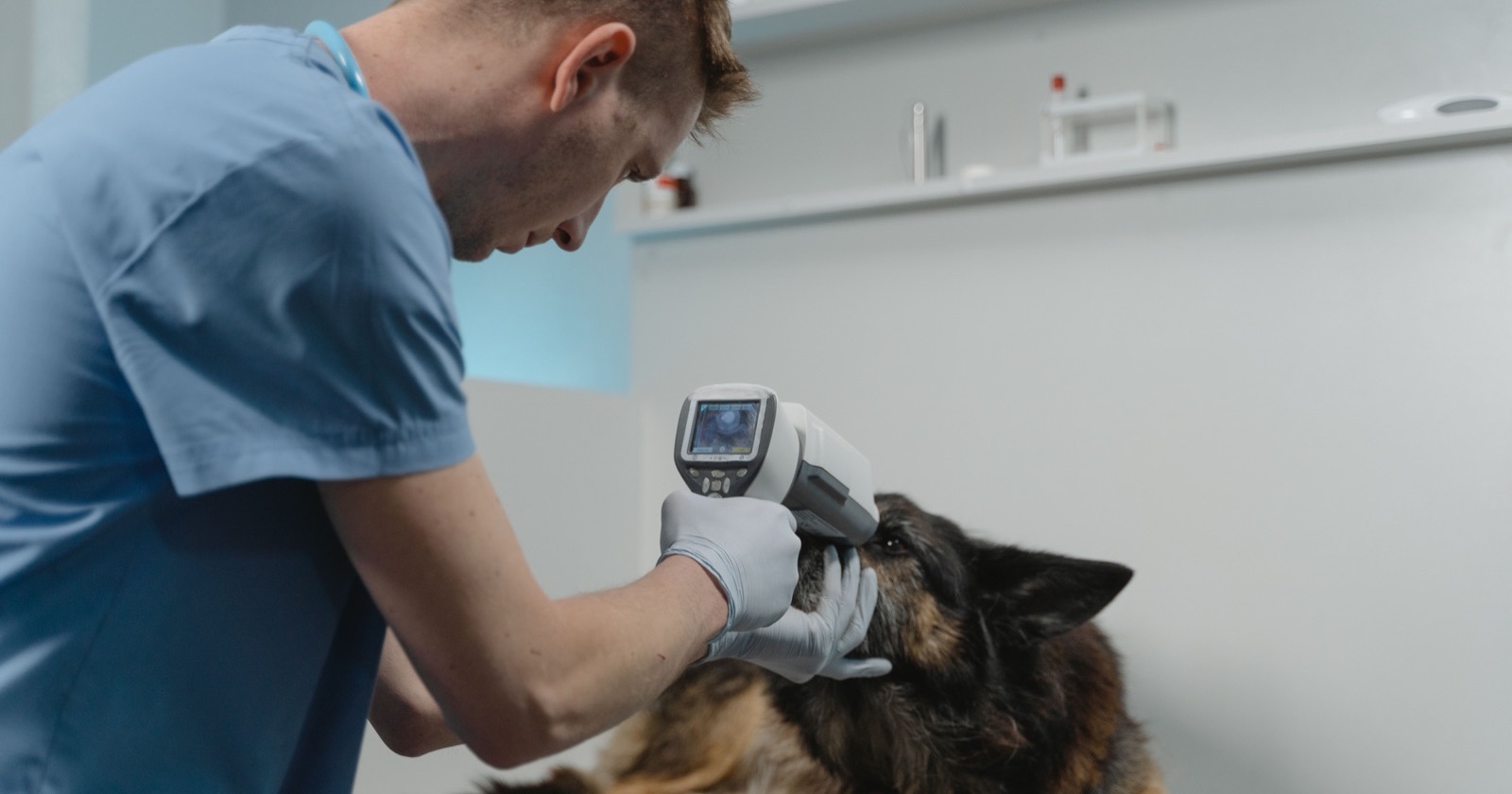
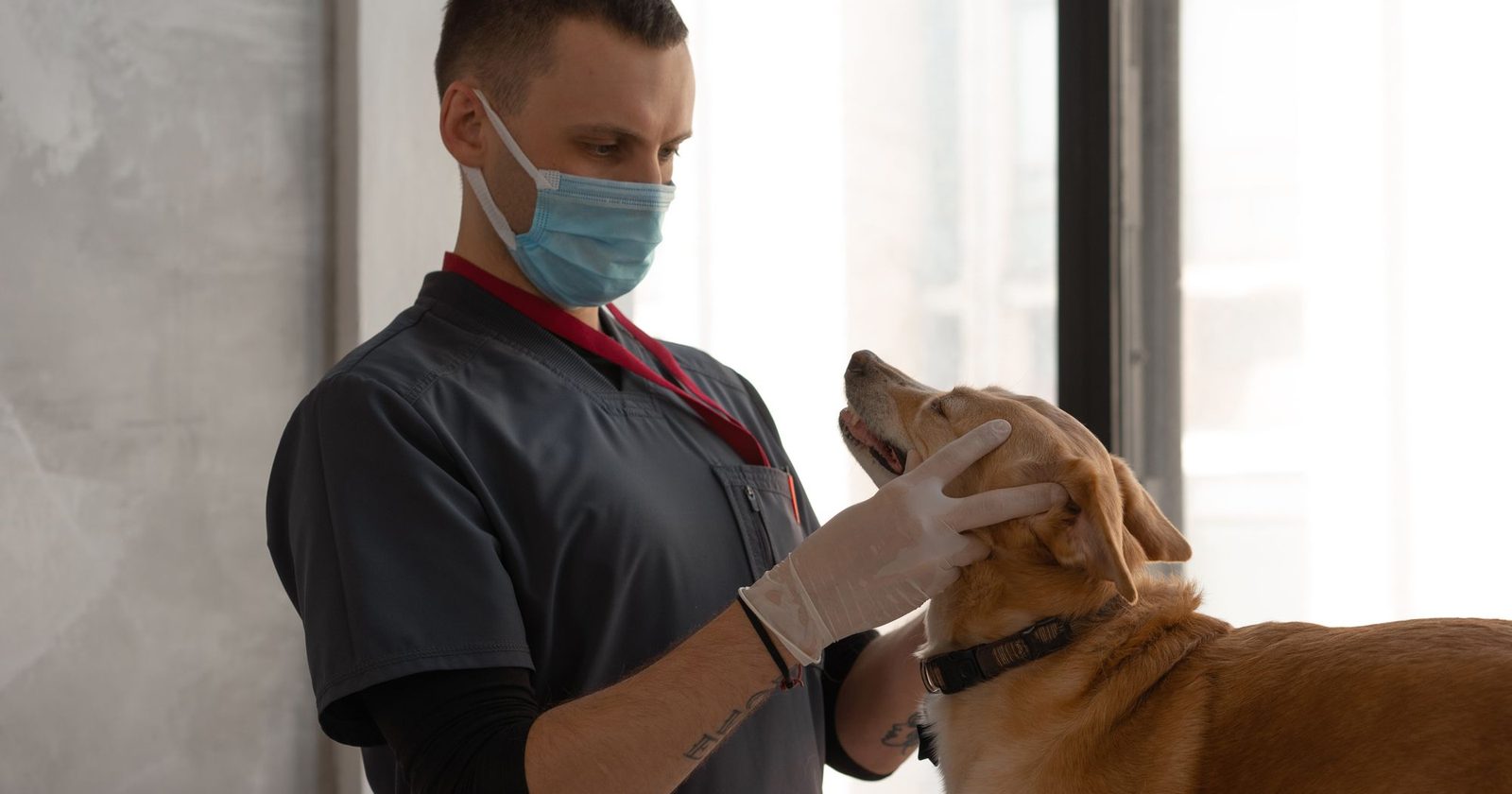
Clinics do it. The vet first scans to check there isn't a chip already, then uses a special needle to place the capsule under the skin, in Europe usually on the left side of the neck or between the shoulder blades. They scan again to make sure it reads, and stick the number label into the vet passport.
Does it hurt? The needle is thicker than usual and some dogs yelp. But it's a few seconds, with no anaesthetic and no stitches. Many owners do it together with a vaccination, or during spaying while the animal is under anaesthetic anyway.
Prices vary between clinics in Chișinău and elsewhere, so call around. The chip itself is cheap, and it's one of the least expensive things you can do for a dog.
Why bother
Reason one is travel. Without a chip, your pet can't leave the country. And it has to go in before the rabies vaccination, not after. Do it the other way round and the vaccination won't count for travel. More in travelling with a pet from Moldova to the EU.
Reason two is getting lost. A collar with a tag can come off; the chip stays. If someone finds your dog and takes it to a clinic or to volunteers, the first thing they'll do is look for a chip.
The key part: the number has to lead to you
This is where many people slip up. The chip is in, the number is in the passport, and it's written nowhere else. The finder has read 15 digits. Now what? They need a way to find out whose dog it is.
So after chipping, check two things. The number is in the vet passport, and the passport is at home rather than lost along with the dog. And the number is linked to your phone somewhere. In micamic the chip number is stored in your pet's profile, and there's a QR tag for the collar: a finder scans it with their phone and immediately sees how to reach you. Together they work best: the tag helps within the first hour, and the chip saves the day if the collar is gone.
Once a year, at the routine vaccination, ask the vet to wave the scanner over it. Chips almost never fail or migrate, but checking takes a second.
If you've found a dog
Take it to the nearest vet clinic; they'll check for a chip for free or a token fee. If there's no chip, or it leads nowhere, look through the lost pets feed: the owner may already be searching. And if your own pet is missing, see lost dog or cat: what to do.
This article is for information only and does not replace a consultation with a veterinarian.
This article in other languages: Русский, Română
Keep your pet's passport in micamic
Vaccinations, parasite treatments, treatment and reminders in one place. Free.
Create an account