A new puppy at home: the first month, vaccinations, walks and toilet training
· 3 min read
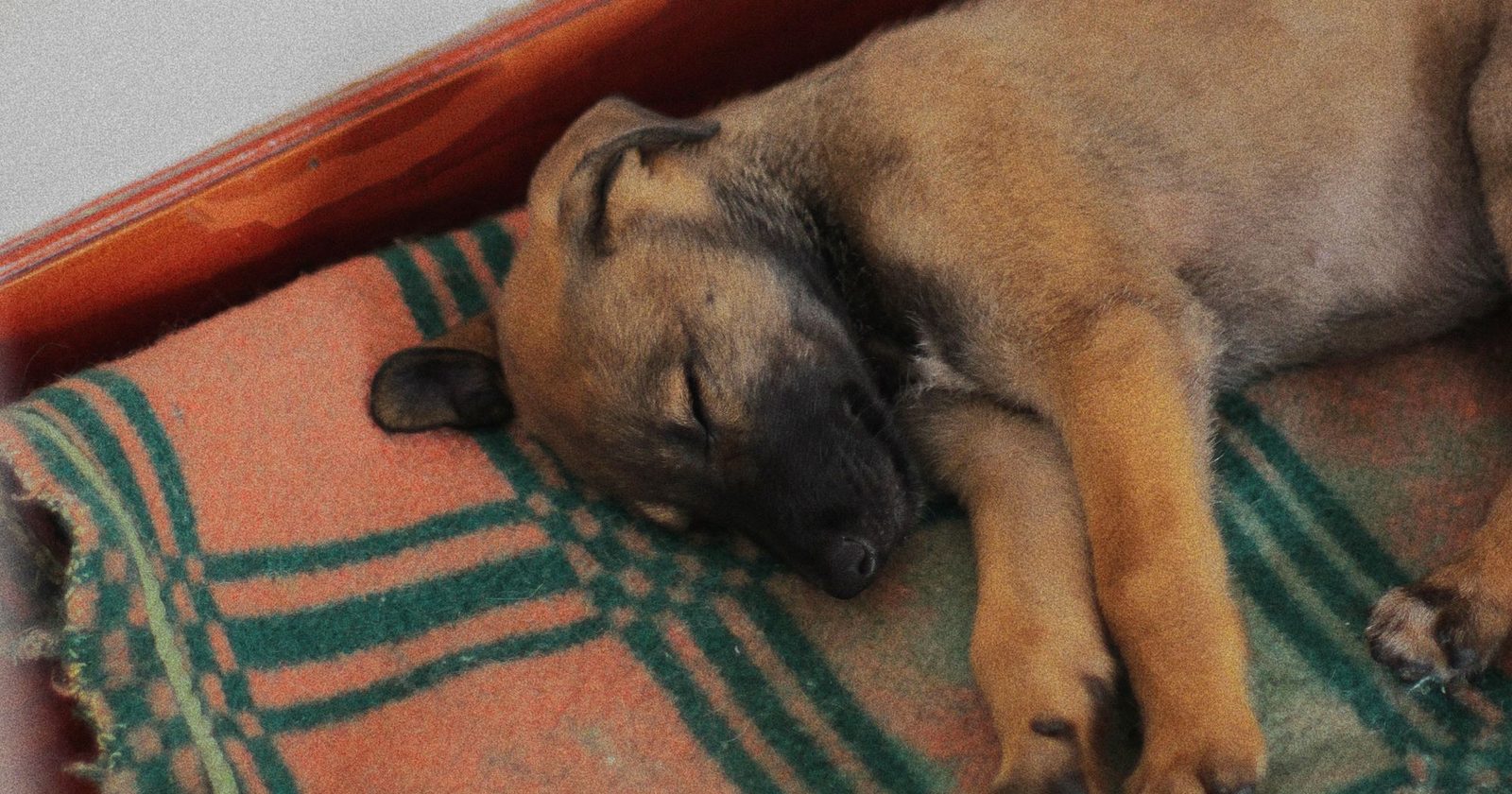
Everyone's first night with a puppy goes the same way. You settle it in its new bed, switch off the light, and ten minutes later the crying starts. Thin, pitiful, heartbreaking. At 2 a.m. you're sitting on the floor next to it wondering what you've got yourself into. That's normal. The first weeks are the hardest, and it gets easier.
Before it arrives
Buy a bed, two bowls, the same food it's been eating, a collar or light harness, a lead and puppy pads. Toys aren't optional, and you want a mix: for chewing, tugging and chasing. Without toys, the puppy will find its own, and they'll be your shoes and your phone charger.
Clear the floor of anything precious or dangerous: cables, pills, cleaning products, small objects. Look at your flat from 30 centimetres up. Literally, crouch down.
The first nights
The puppy has just been taken from its mother and littermates and is sleeping alone for the first time. Put the bed next to yours, at least for the first week. Add something that smells of you, or a cloth from the previous owners if they gave you one. A hot-water bottle wrapped in a towel helps many puppies: the warmth feels like mum.
If it cries, you can reach down and stroke it. Whether it sleeps in your bed is your call, but remember it may weigh 30 kg in six months.
Toilet training
A small puppy can't hold it long, roughly as many hours as it is months old, plus one. At two months that's two or three hours during the day. So take it out right after sleeping, eating and playing. When it goes in the right place, praise it right then, loudly and happily.
Scolding over a puddle is pointless, especially if you find it half an hour later: the puppy won't connect the two. Just clean it up with something that doesn't contain bleach (the smell resembles urine and draws them back) and carry on.
Vaccinations and when to go out
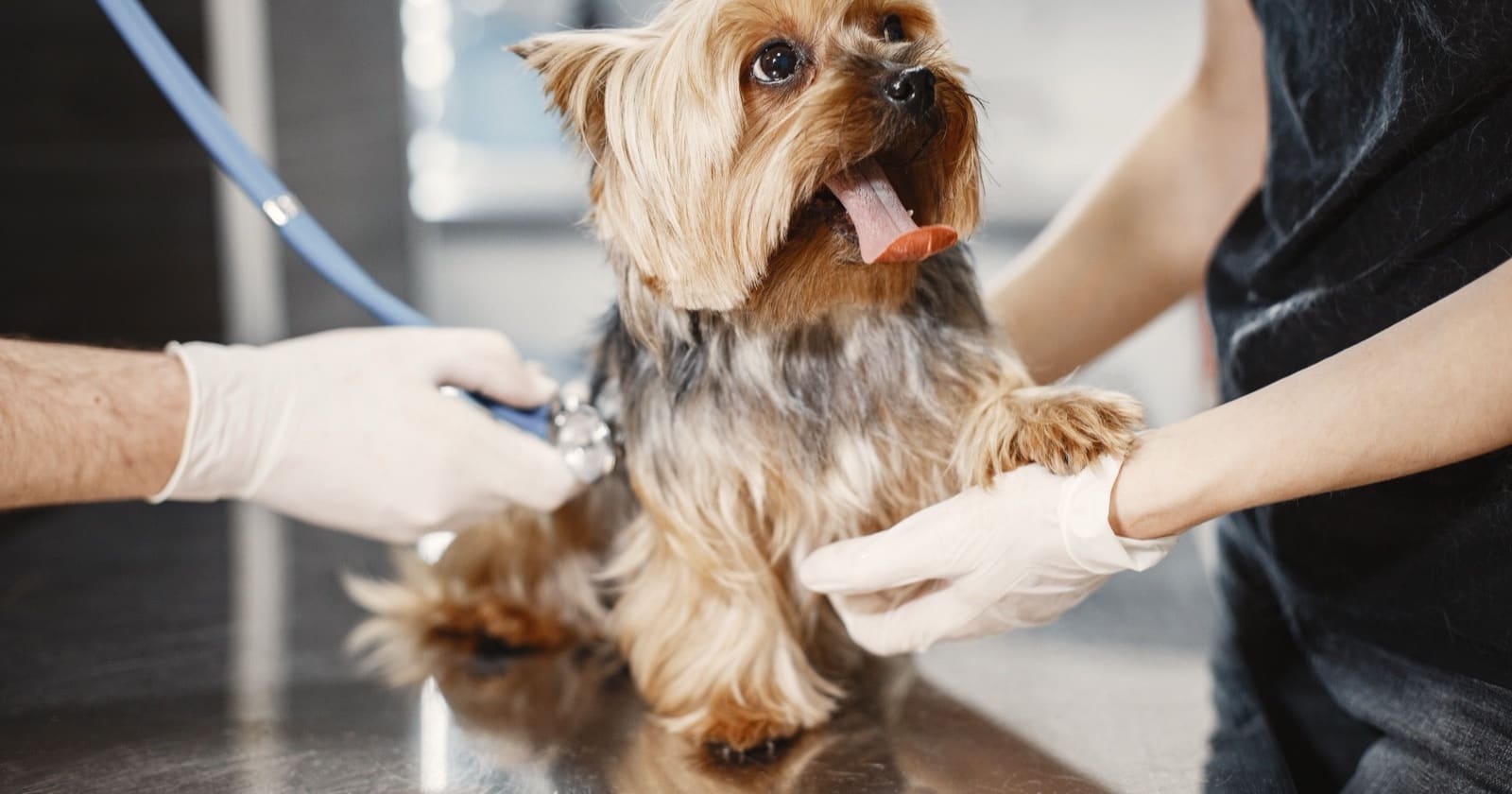
This is where people get confused most. The first combined shot is at 6–8 weeks, then repeated every 2–4 weeks until the puppy is 16 weeks old. Rabies usually at 12–16 weeks. Details in cat and dog vaccination schedule, and you can see your puppy's dates in the vaccination calculator.
Until the series is done, stay away from dog parks and places with lots of dogs. Parvovirus survives in soil for months and is very dangerous for puppies. But not going out at all is bad too: 3 to 12–14 weeks is the most important window for socialisation. Carry it around the street, get it used to cars, noises and people, and to friends' vaccinated adult dogs. Ask your vet how to balance the two.
Parasites
Puppies are dewormed often: from two weeks, every two weeks until eight weeks, then monthly until six months. Around two or three months, when walks begin, add tick protection. Why that matters in Moldova almost all year round is in ticks, fleas and worms.
Teeth and nipping
From about three to six months the puppy is teething and chews everything. Nipping hands isn't aggression, it's play, but stop it early. When it bites, say "ow" and stop playing for a minute. Offer a toy instead of your hand. A cold wet cloth from the freezer helps with itchy gums.
So you don't forget anything
A puppy's first year has so many dates that the paper passport can't keep up: three or four vaccinations, deworming every two weeks and then monthly, and weight that grows by the day. In micamic you can track all of it for free, and the reminder for the next shot or tablet comes on its own. If you got your puppy through a listing, also read how to get through the first weeks with a new pet.
This article is for information only and does not replace a consultation with a veterinarian.
This article in other languages: Русский, Română
Keep your pet's passport in micamic
Vaccinations, parasite treatments, treatment and reminders in one place. Free.
Create an account