Spaying your cat: when to do it, how to prepare and aftercare
· 3 min read
The decision to spay usually gets made at three in the morning, on night three of the "concert". A cat in heat yowls, rolls on the floor, tries to dart out into the stairwell, and a week later it starts all over again. Anyone who's been through it knows. And people who decided to "let her have one litter" spend the next six months finding homes for kittens. Let's go through it calmly.
When
Most vets in Moldova spay cats at 5–6 months, before the first heat. Later is fine too; surgery isn't a problem for an adult cat, recovery just may take a bit longer. Males are neutered at about the same age, usually before they start marking corners.
The idea that "a cat should have one litter for her health" is one vets abandoned long ago. Quite the opposite: spaying before the first heat noticeably lowers the risk of mammary tumours later in life.
Female and male are different operations
For a male it's a quick procedure, usually with no skin stitches, and by evening he's strolling around as if nothing happened. For a female it's abdominal surgery: the vet removes the ovaries and sometimes the uterus. That's why it costs more, takes longer and needs more aftercare.
Prices at Chișinău clinics vary several-fold, and the cheapest isn't always best. Ask what's included: anaesthetic, recovery suit, follow-up check, stitch removal. Chișinău City Hall periodically spays street cats for free by appointment; watch the city hall website and volunteer groups.
Preparation
A week or two before surgery your cat should be vaccinated and dewormed. If she isn't, the vet will probably suggest doing that first. The schedule is in our vaccination article.
The day before, the vet will tell you how long to withhold food. Usually 8–12 hours without food; water is often fine. Don't break this rule out of pity: a full stomach under anaesthetic is dangerous.
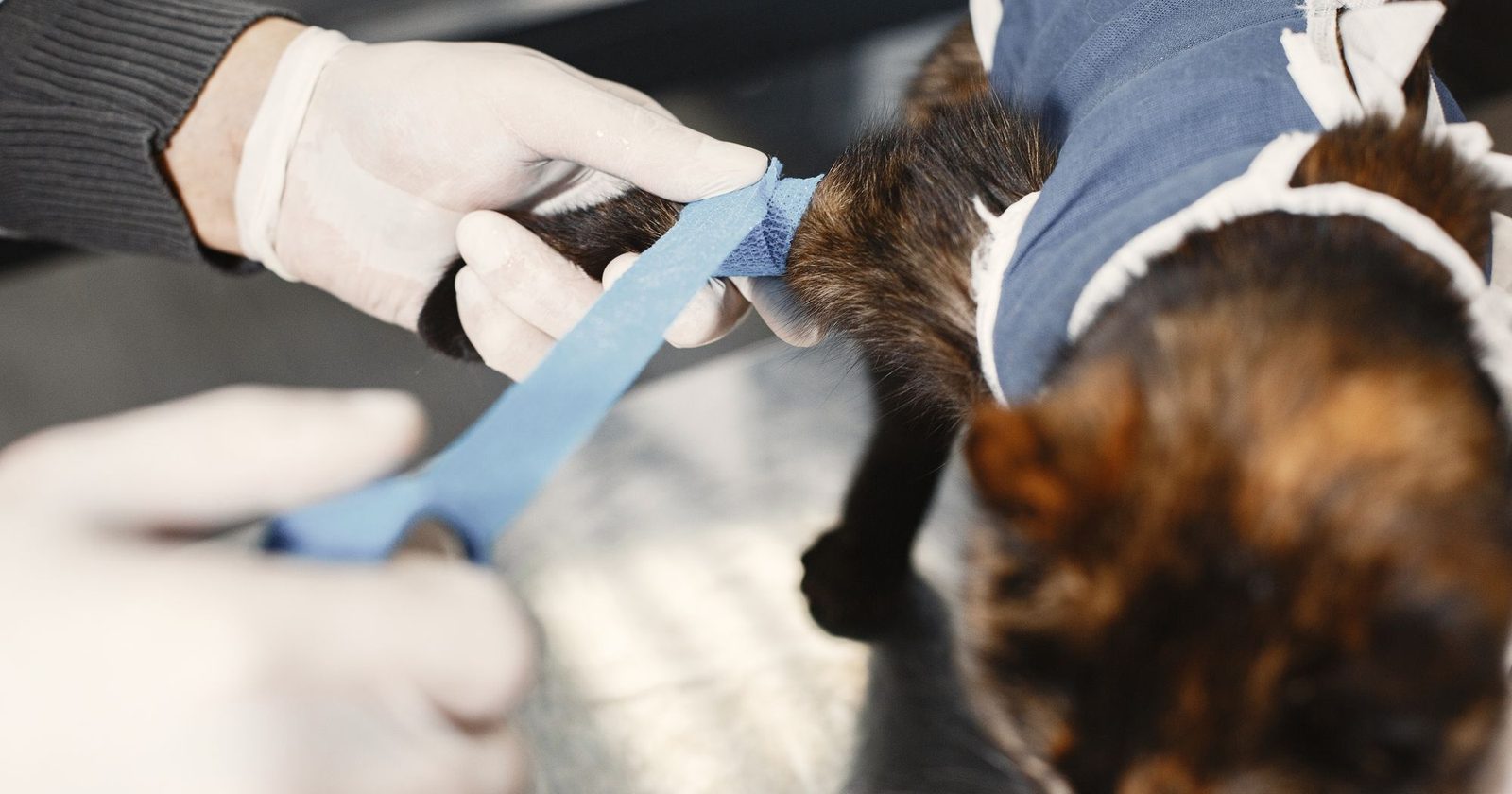
Buy a recovery suit or a cone in advance. The suit is more comfortable: she can eat, sleep and use the litter box in it, whereas many cats go into a quiet meltdown in a cone.
The first 24 hours
Coming out of anaesthetic, she'll wobble, look cross-eyed and try to climb things. Settle her on the floor on a warm blanket, away from high shelves and windowsills. She may shiver, so cover her. Start feeding when the vet says, usually after a few hours, in small portions.
The next 10 days
Check the wound once a day: it should be dry and clean. Redness, swelling, discharge, or not eating for more than a day are reasons to call the vet. Don't let her lick the wound and don't take the suit off early, even if she seems uncomfortable. After 10–14 days the stitches come out, or the vet just takes a look if they're dissolvable.
Afterwards: watch the weight
Nobody talks about this enough. After spaying, metabolism slows down and appetite goes up. Feed her the same as before and within a year she'll put on an extra kilo, which is a lot for a cat. Switch to a food for neutered cats or trim the portion a bit, and weigh her once a month.
In micamic you can log the surgery date and track weight on a chart, so you see straight away if she's getting heavier. And if you're only about to get a cat, read how to adopt a cat in Moldova: many cats from volunteers are already spayed.
This article is for information only and does not replace a consultation with a veterinarian.
This article in other languages: Русский, Română
Keep your pet's passport in micamic
Vaccinations, parasite treatments, treatment and reminders in one place. Free.
Create an account